
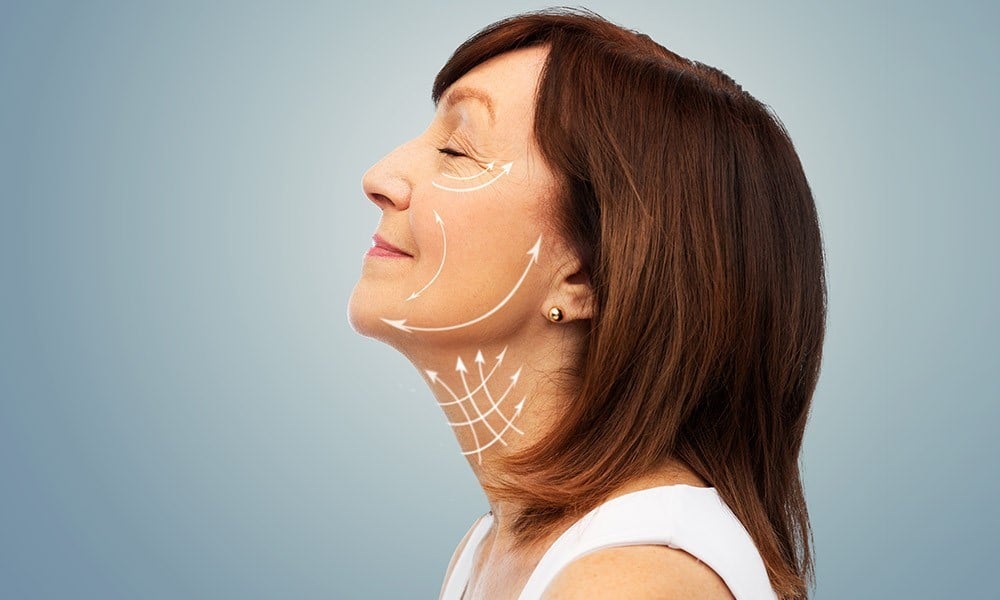
PDO Threads vs Surgical Facelift – Which Is Right for You?
Short, clear answer for snippets: PDO thread lifts offer a minimally invasive alternative to surgical facelifts by using dissolvable sutures to lift sagging skin and stimulate collagen, without the long recovery time of surgery. However, for those with more advanced signs of aging, a surgical facelift provides a more dramatic and long-lasting solution by addressing the underlying muscular structure.
In the ever-evolving world of aesthetic medicine, the quest for a youthful, refreshed appearance presents a critical crossroads: choose a quick, minimally invasive procedure or commit to a more transformative surgical solution. The debate between PDO Threads vs Surgical Facelift is central for anyone in the U.S. exploring anti-aging treatments.
This comprehensive guide will dissect every aspect, from the science behind the procedures to the real-world costs and recovery experiences, to empower you with the knowledge needed for this deeply personal decision. Understanding the fundamental differences in approach, results, and commitment is the first step toward achieving your rejuvenation goals safely and effectively.
What Are PDO Threads? Understanding the “Lunchtime Lift”
To appreciate the value of a PDO thread lift, it’s helpful to understand its components and mechanism. Polydioxanone threads (PDO) are not new to medicine; they have been used as safe, dissolvable sutures in cardiac and pediatric surgery for years. In the realm of facial rejuvenation, they are cleverly repurposed as a scaffolding tool to lift and revitalize the skin from within.
How Does a PDO Thread Lift Actually Work?
The procedure is typically performed in-office under local anesthesia. A skilled practitioner uses a fine cannula or needle to insert the threads strategically into the subcutaneous layer of the skin. There are two primary types of threads, barbed and smooth, each serving a slightly different purpose. Once deployed, they work through a powerful dual-action process:
- Immediate Mechanical Lifting: Barbed threads have tiny, cone-shaped cogs that anchor into the soft tissue. By gently pulling and positioning these threads, the practitioner can physically lift sagging skin of the mid-face, jowls, eyebrows, and neck. This provides a noticeable, immediate improvement in contour.
- Long-Term Collagen Stimulation: This is the “secret sauce” of PDO threads. As the polydioxanone material naturally dissolves over a period of 6 to 9 months, it acts as a sustained stimulus, triggering the body’s natural wound-healing response. This process encourages fibroblasts to produce new collagen and elastin, the essential building blocks of youthful skin. The result is a gradual improvement in skin texture, thickness, and overall elasticity that unfolds over several months.
This combination of instant lift and progressive skin remodeling makes the procedure ideal for individuals in their 30s to 50s who are experiencing mild to moderate skin laxity and are looking for a significant refresh without the scars or downtime of surgery.
What Is a Surgical Facelift? The Gold Standard in Rejuvenation
A surgical facelift, or rhytidectomy, is a comprehensive and transformative procedure that addresses the fundamental structural changes of the aging face. While non-surgical treatments work on the skin’s surface or just beneath it, a facelift targets the deeper layers where aging truly occurs.
The Surgical Facelift Procedure Explained
This is a major surgery performed in an accredited surgical facility under general anesthesia or deep IV sedation by a board-certified plastic surgeon. The procedure is highly customized but generally involves:
- Repositioning the SMAS Layer: The Superficial Musculoaponeurotic System (SMAS) is a fibrous network of tissue that supports the facial muscles and fat pads. With age, the SMAS loosens, leading to drooping cheeks, jowls, and a sagging neck. The surgeon will lift and tighten this foundational layer, which is the key to achieving a natural, long-lasting result.
- Redraping and Removing Excess Skin: After the underlying structures are secured, the skin is redraped over the new, more youthful contour. Any excess skin is precisely trimmed away.
- Refining the Neck: Many facelifts include a neck lift component, which involves tightening the platysma neck muscles and removing excess fat and skin to restore a clean, defined jawline.
The results of a well-performed facelift are dramatic and enduring, typically lasting 8 to 10 years, making it the undisputed gold standard for correcting advanced signs of aging in the lower face and neck.
PDO Threads vs Facelift: Quick Comparison Table
This side-by-side comparison highlights the critical differences to help you quickly narrow down your options.
| Feature | PDO Threads | Surgical Facelift |
| Invasiveness | Minimally invasive, in-office procedure | Major surgery in an operating room |
| Anesthesia | Local anesthetic with or without oral sedation | General anesthesia or IV sedation |
| Procedure Time | 60-90 minutes, often called a “lunchtime lift” | 3-6 hours, depending on complexity |
| Downtime | 1–3 days of social downtime; avoid strenuous exercise for 2 weeks | 2–4 weeks of significant social and work downtime |
| Cost (USA avg.) | $1,500–$4,500 | $8,000–$15,000+ |
| Results Duration | 1–2 years, with optimal collagen effects seen at 3-6 months | 8–10 years, with results settling after 3-6 months |
| Ideal Candidate | Ages 30-50 with mild to moderate sagging and good skin elasticity | Ages 45+ with moderate to advanced sagging, jowls, and neck laxity |
| Scarring | Tiny, invisible needle puncture marks | Incisions hidden along the hairline, behind ears, and in natural creases |
| Primary Mechanism | Mechanical lift + Collagen Stimulation | Repositioning of muscles (SMAS) and removal of excess skin |
Benefits of PDO Threads: Why Choose a Thread Lift?
The surge in popularity of PDO threads is driven by their unique ability to deliver noticeable results with minimal interruption to daily life. They represent a leading choice in non-surgical facelift alternatives.
- Natural Collagen Stimulation: Beyond the immediate lift, the most celebrated benefit is the “PDO glow.” The body’s natural response to the dissolving threads leads to improved skin quality, reducing fine lines, thickening the skin, and imparting a natural radiance that can’t be achieved with filler alone.
- Minimal Downtime: The ability to return to most normal activities within a day or two is a game-changer for busy professionals and parents. While some bruising and swelling may occur, it’s easily concealable with makeup.
- Quick, In-Office Procedure: Performed in a comfortable clinical setting without the need for general anesthesia, a thread lift significantly reduces the risks and costs associated with an operating room and anesthesiologist.
- Immediate and Evolving Results: Patients walk out of the office with a visible lift. As the initial swelling subsides over the first few weeks, the result becomes more refined, and the collagen-building effects continue to enhance the appearance for months.
- Visual Proof of Transformation: Reviewing a PDO thread lift before and after gallery reveals the dual-action effect: an immediate improvement in facial contour followed by progressively smoother, tighter skin in the subsequent months. These photos often showcase a lifted jawline, improved cheek volume, and a more refined facial profile.
- Reversible and Adjustable: While not common, minor asymmetries can often be adjusted by a skilled provider shortly after the procedure. The temporary nature of the threads also means that the effects are not permanent, allowing you to change your approach in the future as new technologies emerge or your goals evolve.
Benefits of a Surgical Facelift: The Power of Surgery
For the right candidate, the benefits of a surgical facelift far outweigh the investment and recovery time, offering a level of change that non-surgical methods cannot replicate.
- Truly Long-Lasting, Dramatic Results: This is the most compelling advantage. A facelift provides a comprehensive rejuvenation that can take a decade or more off your appearance. This longevity makes it a cost-effective solution over the long term when compared to repeated non-surgical treatments.
- Corrects Deeper Structural Issues: PDO threads lift soft tissue, but they cannot tighten the underlying SMAS layer or significantly improve a heavily sagging neck. A facelift addresses the root cause of facial sagging, providing a fundamental structural correction that creates a more harmonious and natural-looking result.
- Comprehensive Rejuvenation: A facelift holistically reshapes the lower face, jawline, and neck. It effectively corrects pronounced jowls, deep marionette lines, and loose, banded neck skin, creating a refreshed profile that is difficult to achieve through any other means.
- Proven Safety and Predictability: When performed by a board-certified plastic surgeon, the facelift is a highly refined and predictable procedure with an excellent safety profile. Surgeons have a deep understanding of facial anatomy, which minimizes risks and allows for stunning, natural-looking outcomes.
Risks & Side Effects: An Honest Look
Informed consent is the cornerstone of any cosmetic procedure. Understanding the potential downsides is just as important as understanding the benefits.
PDO Threads:
- Common and Temporary: Bruising, swelling, redness, and tenderness at the insertion sites are expected and typically resolve within 3-7 days.
- Less Common but Notable: These include asymmetry, dimpling or puckering of the skin, thread migration (shifting from the original placement), thread extrusion (a thread poking through the skin), and infection. The risk of these complications is significantly higher when the procedure is performed by an inexperienced or unqualified provider.
- Sensation: Patients may feel a temporary tightness or unusual sensation when moving their face for the first few weeks as the threads settle.
Surgical Facelift:
- Inherent to Surgery: Significant bruising and swelling are a normal part of the recovery process and can take several weeks to fully resolve. Temporary numbness or changes in skin sensation are also common due to nerve manipulation during surgery.
- Potential Complications: These include hematoma (a collection of blood under the skin that may require drainage), seroma (fluid buildup), scarring (though placed to be discreet), nerve injury that could affect facial movement (usually temporary), anesthesia risks, and poor wound healing. The importance of choosing an expert surgeon cannot be overstated to mitigate these risks.
Cost Comparison: PDO Threads vs Facelift in the U.S.
The financial aspect is a major practical consideration. It’s crucial to look at both the immediate and long-term value.
PDO Threads vs. Facelift Cost Breakdown:
- PDO Thread Lift: The average cost in the U.S. ranges from $1,500 to $4,500. This is usually a per-procedure fee that covers the cost of the threads and the provider’s skill. Geographic location and the number of threads required significantly influence the price.
- Surgical Facelift: The average cost is between $8,000 and $15,000, but complex procedures can exceed $20,000. This is a global fee that typically includes the surgeon’s fee, anesthesia fees, and the facility (operating room) costs.
A Closer Look at Regional Averages:
- New York: PDO ~$3,000 – $5,000 | Facelift ~$12,000 – $20,000
- Los Angeles: PDO ~$3,500 – $5,500 | Facelift ~$13,000 – $22,000
- Miami: PDO ~$2,800 – $4,500 | Facelift ~$9,000 – $16,000
Analyzing Long-Term Value: This is a critical part of the PDO facelift comparison. While a facelift has a high upfront cost, its results last 8-10 years. To maintain results from PDO threads for a similar period, you would need 4-5 treatments, potentially costing $6,000 to $22,500 in total. This narrows the financial gap and makes the surgical option a compelling long-term investment for those needing a significant correction.
Recovery & Aftercare: What to Expect Day-by-Day
Your commitment to the recovery process is directly proportional to the quality of your final results.
PDO Thread Lift Recovery and Aftercare:
- First 48-72 Hours: This is the most critical period. You must avoid excessive facial expressions, chewing gum, yawning widely, or eating hard foods. Sleeping on your back is essential to prevent pressure on the threads. Apply cold compresses frequently to manage swelling.
- First Two Weeks: Avoid strenuous exercise, saunas, steam rooms, and high-heat environments. Your provider will give you a gentle skincare routine, often avoiding direct manual pressure on the treated areas. Most bruising and swelling resolve, allowing a return to all normal activities.
- Long-Term: The collagen stimulation continues for months. Protecting your skin with sunscreen and maintaining a good skincare regimen will support and prolong your results.
Surgical Facelift Recovery and Aftercare:
- The First Week: This is the most intense phase. You will have bandages and possibly surgical drains. Pain is managed with medication. Rest is paramount, with your head elevated. You must avoid any bending, lifting, or straining.
- Weeks 2-4: Swelling and bruising peak and then begin to subside. Stitches are removed. Many people feel comfortable returning to desk work and light social activities after two weeks, though some swelling remains.
- Months 1-6: Residual swelling continues to fade, and incision lines will transition from red to pink before finally maturing into faint, white lines. Most of the dramatic swelling is gone by 6-8 weeks, but the final, settled result, where all the subtle nuances of the lift are visible, can take 6 months to a full year.
Who Is a Good Candidate? Finding Your Fit
Matching your specific concerns to the correct procedure is the key to satisfaction.
You are an ideal candidate for PDO Threads if:
- You are between your late 30s and 50s.
- You have early, mild to moderate sagging in the cheeks, jawline, or brows, sometimes described as “losing your V-line.”
- You want a noticeable refresh but don’t have enough laxity to justify surgery.
- Your budget is limited, or you cannot take extended time off work.
- You are looking to enhance skin quality through collagen production in addition to getting a lift.
You are an ideal candidate for a Surgical Facelift if:
- You are typically 45 years or older.
- You have significant jowling, deep nasolabial folds, loose skin on the neck, and loss of a defined jawline.
- You are a healthy non-smoker with realistic expectations about the outcomes and the recovery journey.
- You are prepared for the financial investment and the dedicated recovery time for a more dramatic and lasting solution.
The Hybrid Approach: A growing aesthetic medicine trend in the USA is combining modalities. Some patients get PDO threads in their late 30s to delay the need for surgery. Others use threads a few years after a facelift to “fine-tune” results, boost collagen in the upper face, or maintain their surgical outcome for even longer. This highlights that the choice isn’t always binary.
PDO Threads vs. Facelift: Which Should You Choose? Your Personalized Path
The final decision in the PDO Threads vs. Surgical Facelift debate hinges on an honest self-assessment of your needs and circumstances.
Choose PDO Threads if your priorities are:
- A Limited Budget: You have $1,500-$4,500 available for a cosmetic procedure.
- Minimal Disruption: You cannot afford or do not want a long recovery period.
- Early Intervention: Your aging concerns are mild to moderate.
- Subtlety and Skin Quality: You want a natural-looking lift and are excited by the prospect of improved skin texture and tone.
- Avoiding Surgery: The idea of going under general anesthesia and having surgical incisions makes you uncomfortable.
Choose a Surgical Facelift if your priorities are:
- Long-Term Value: You are prepared to make a significant financial investment for a solution that will last a decade.
- Dramatic Transformation: You have significant sagging and want the most comprehensive correction available.
- Commitment to Results: You can dedicate 3-4 weeks to recovery and understand the results will evolve over several months.
- Addressing the Root Cause: You want to correct the underlying structural issues (SMAS) causing your facial aging.
There is no one-size-fits-all answer. The best way to decide is through a one-on-one consultation with a certified and experienced professional who can evaluate your facial anatomy, skin quality, and personal goals.
FAQs (Frequently Asked Questions)
How long do PDO threads last compared to a facelift?
PDO thread lift longevity is typically 1 to 2 years. The dissolvable threads provide an immediate lift that lasts while the body produces new collagen, with results gradually fading. A surgical facelift offers a permanent improvement, though you will continue to age naturally; the dramatic results are considered long-lasting for 8 to 10 years.
Are PDO threads safer than a facelift?
As minimally invasive cosmetic procedures, PDO threads are generally lower-risk because they avoid general anesthesia, deep sedation, and extensive incisions. However, they are not without risk, including infection or thread migration. A surgical facelift carries higher inherent risks due to its nature as major surgery, but in the hands of a board-certified plastic surgeon, it is a very safe and predictable procedure.
Can PDO threads replace a surgical facelift?
For patients with advanced signs of aging, no. PDO threads are excellent for early intervention and can delay the need for surgery. However, they cannot replicate the dramatic, comprehensive results of a surgical facelift for individuals with significant skin laxity, jowling, and neck sagging. They are a fantastic alternative, not a direct replacement, in severe cases.
What’s the downtime for each procedure?
PDO threads have minimal downtime, with most people resuming normal social and work activities in 1-3 days. Strenuous exercise should be avoided for about two weeks. A surgical facelift requires a significant recovery period. Most patients need 2-4 weeks before they feel comfortable returning to their normal social and work routines, with full, strenuous activity often restricted for 4-6 weeks.
Bottom Line
The journey to a more youthful you is filled with choices, and the path between PDO Threads vs Surgical Facelift is the most common one. PDO threads offer a compelling, accessible entry into the world of facial rejuvenation with their quick procedure, minimal downtime, and bonus of collagen stimulation. Ready to explore your options with an expert? Book a consultation at Eye Candy Med Beauty to discuss personalized surgical and non-surgical facelift solutions tailored to your unique needs.
Comments are closed